Inside Afropolis: where Rhythm Meets Reflection

Afropolis 2026 opened its doors with an unmistakable energy, a palpable sense that something rare and transformative was about to unfold. From the first moments of the day, it was clear that this wasn’t just an event; it was a carefully orchestrated journey for creatives, thinkers, and dreamers.
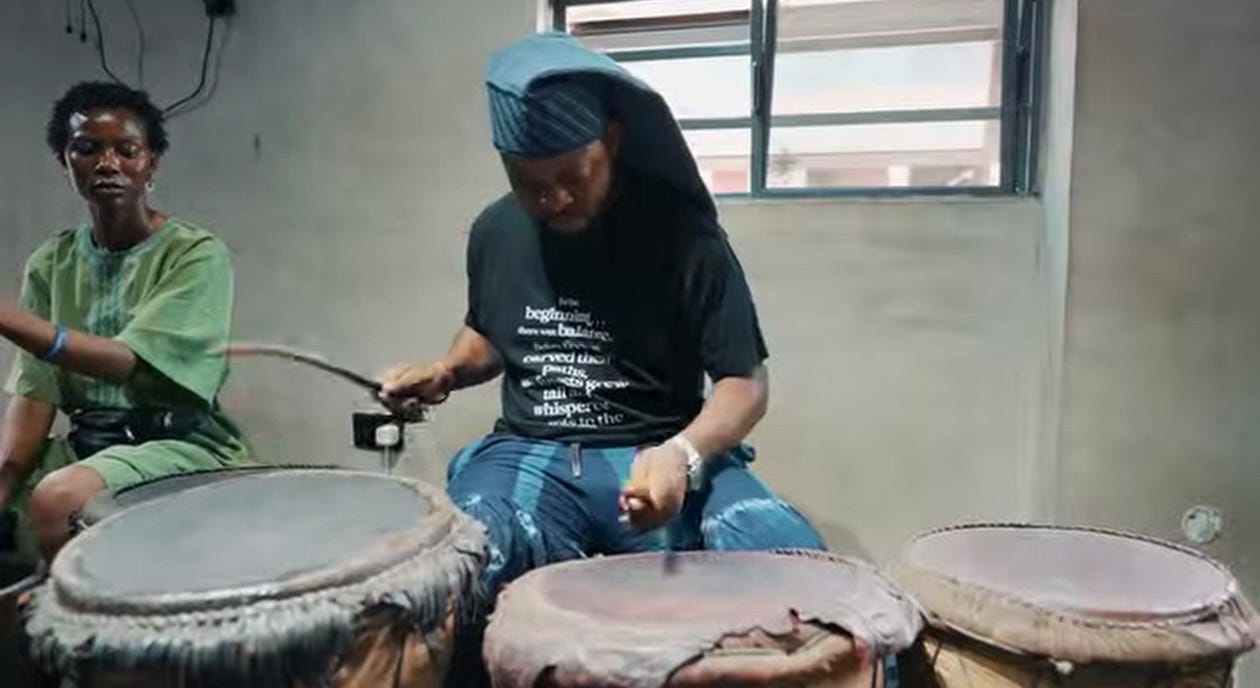
The day began at the Q Dance Center with a drum masterclass led by Papa. The room vibrated with rhythm as participants explored traditional and contemporary percussion. It wasn’t just technical; it was immersive. Papa’s guidance encouraged a deep listening, an attunement to both self and collective pulse. While participants drummed, I observed the careful attention to movement, the subtle nods between students, the smiles breaking across faces as rhythm connected them. Almost simultaneously, a pen-focused masterclass took place, emphasizing the interplay between visual creation and performance. While Papa’s hands traced sound, participants traced thought and imagination on paper, a beautiful contrast that reflected the day’s theme of interconnectedness.
Running quietly in the background through the mornings was the Yaanga Retreat, now in its second week. It was subtle but significant: a space for creatives to slow down, to document, to articulate. Away from the noise of performance and spectacle, the retreat held space for the interior work, the kind that doesn’t always make it onto a stage but makes everything else possible.
From there, the experience deepened into the Ideas Lab, where the philosophical and the sensory fully converged. Olatunde Obajeun, a director, filmmaker, and sound artist, opened by reflecting on his journey from conventional music toward deeper exploration. He shared how Sounds Unbound, a book introduced to him by Qudus Onikeku, reshaded his understanding of sound and birthed his performance Silent Noise.
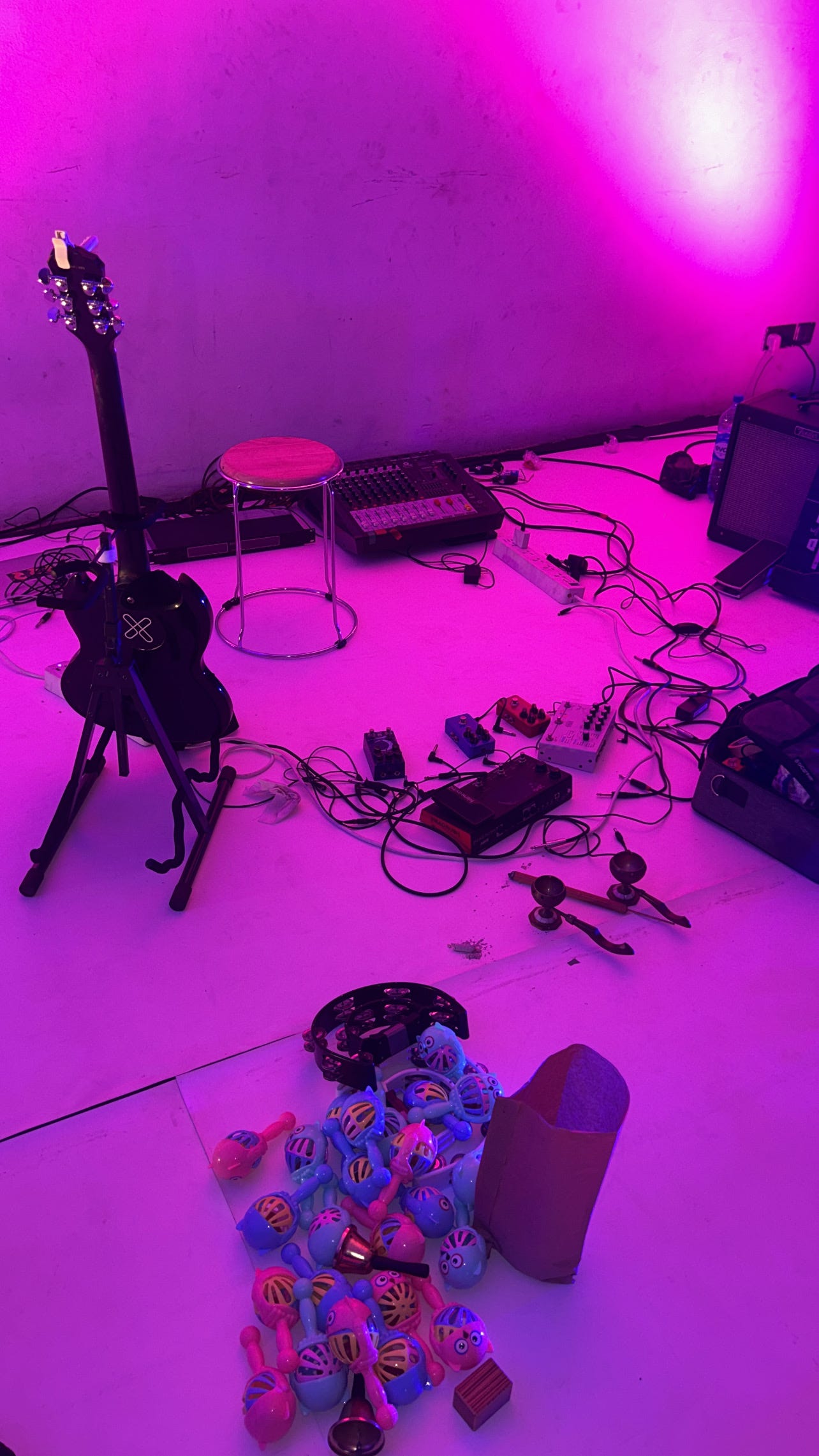
Obajeun invited participants to play with sound using little tambourines, bells, and “noise-making toys” that recalled childhood play. He lit candles inside brown envelope bags, not as a spiritual gesture, he clarified, but as a visual tool to trigger perception. Combined with the Arabic recitation of the 99 names of God softly resonating in the background, the effect was almost trancelike. Jedalo, an expressionist, added layers with instruments such as the dùndún, shakers, and obele batá, explaining that these instruments help translate “the unknown into the known.” The room felt alive, sacred not by doctrine, but by presence.
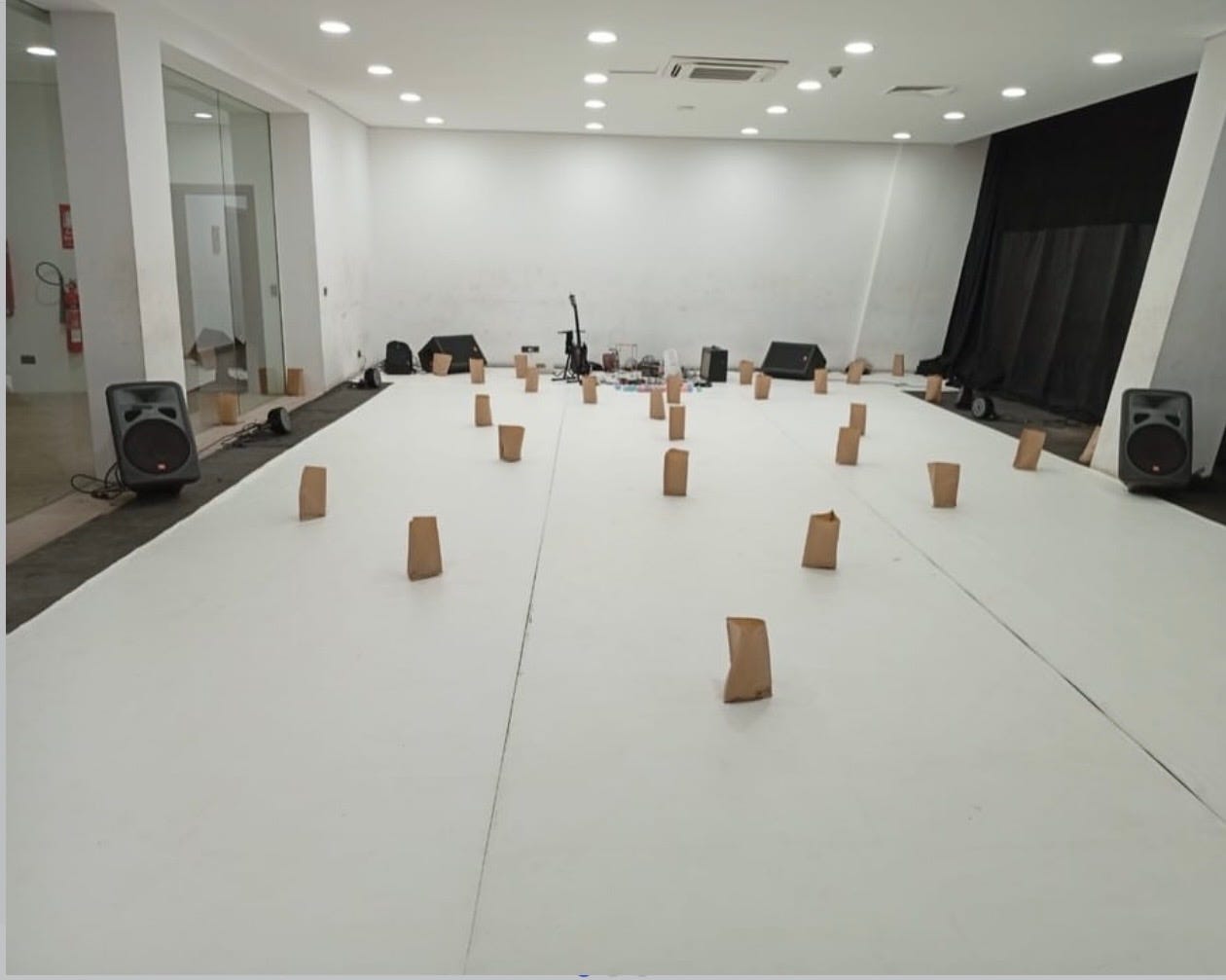
Anchoring the Ideas Lab was Qudus Onikeku, who challenged the audience with reflections that cut deep: thoughts can never exist in the present; they are fragments of the past, and the past is always subjective. To embody this, he guided a conscious exercise where participants walked between two people at the same time, making eye contact, learning to meet and introduce one another to the audience. The exercise lasted over an hour, yet it was far from tedious. Olanike Balqees, a member of the Yaanga Vanguard, explained how this simple introduction reshaped her perception of people she had been seeing every day for six days, revealing that even familiar faces can be newly understood. Onikeku positioned this as a form of rest in a hyper-commercialized world, a moment to slow down and be present with others.
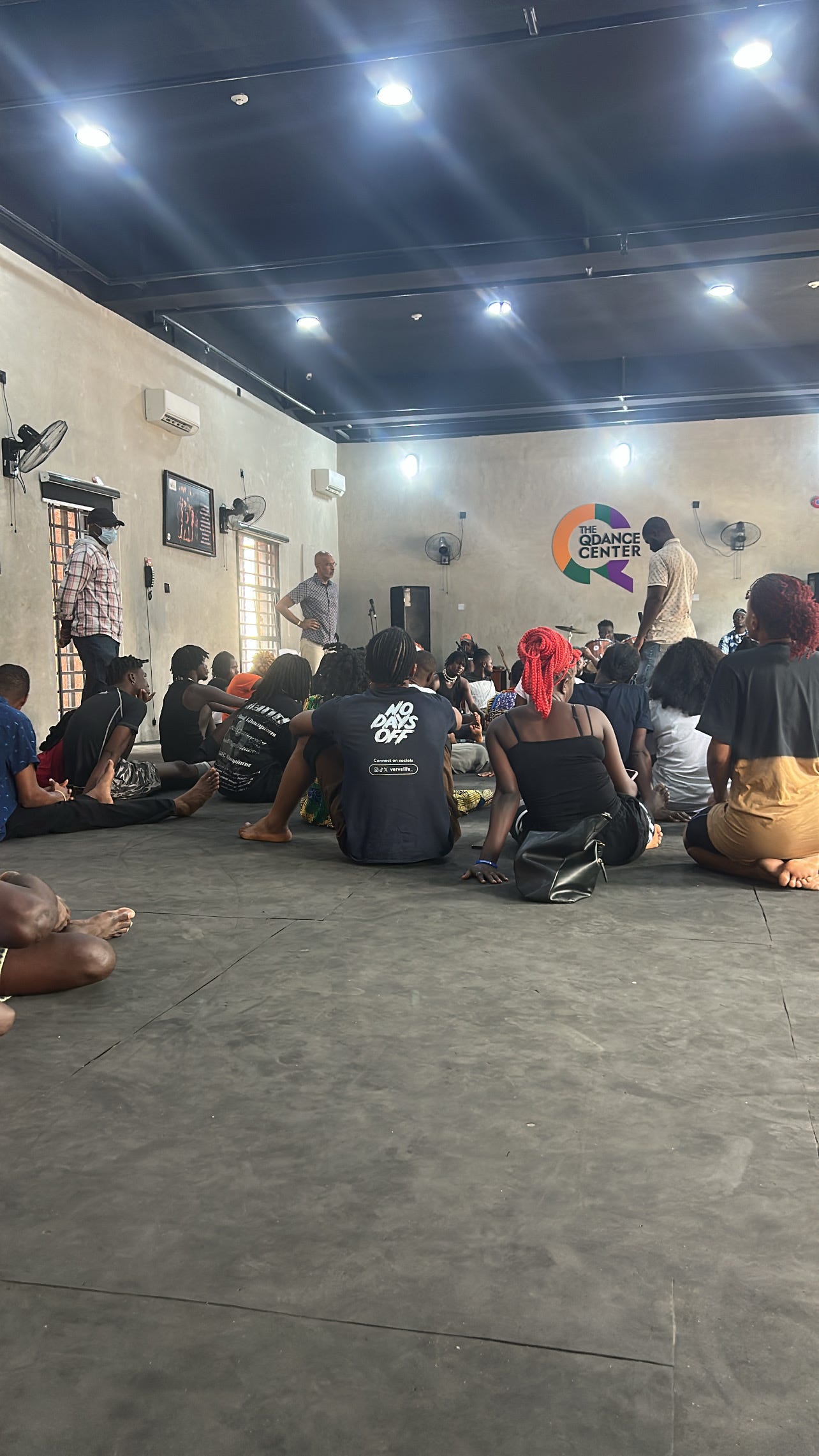
The Ideas Lab also became a space for reflection on value and creativity. Onikeku shared his struggle with the “addiction to always finding meaning” in creation, which he called a conditioned mindset for creatives. He challenged the notion that work only matters when it generates money, emphasizing that value is not monetary; it can be created simply with time. As he put it:
“At 21, I understood that money has no value. It is only a material representation of value. Instead of chasing money, why not chase value?”
He reminded the audience that such conditioning exists in the mind and must be resolved there, encouraging a conscious shift from external validation to internal conviction.
Finally, the day culminated in the opening event, where movement and performance fully took center stage. The Q Dance children opened with Rooted, a performance that radiated joy and nostalgia, recalling the excitement of watching something like Maltina Dance Hall. Their energy was infectious, grounding, and completely alive.
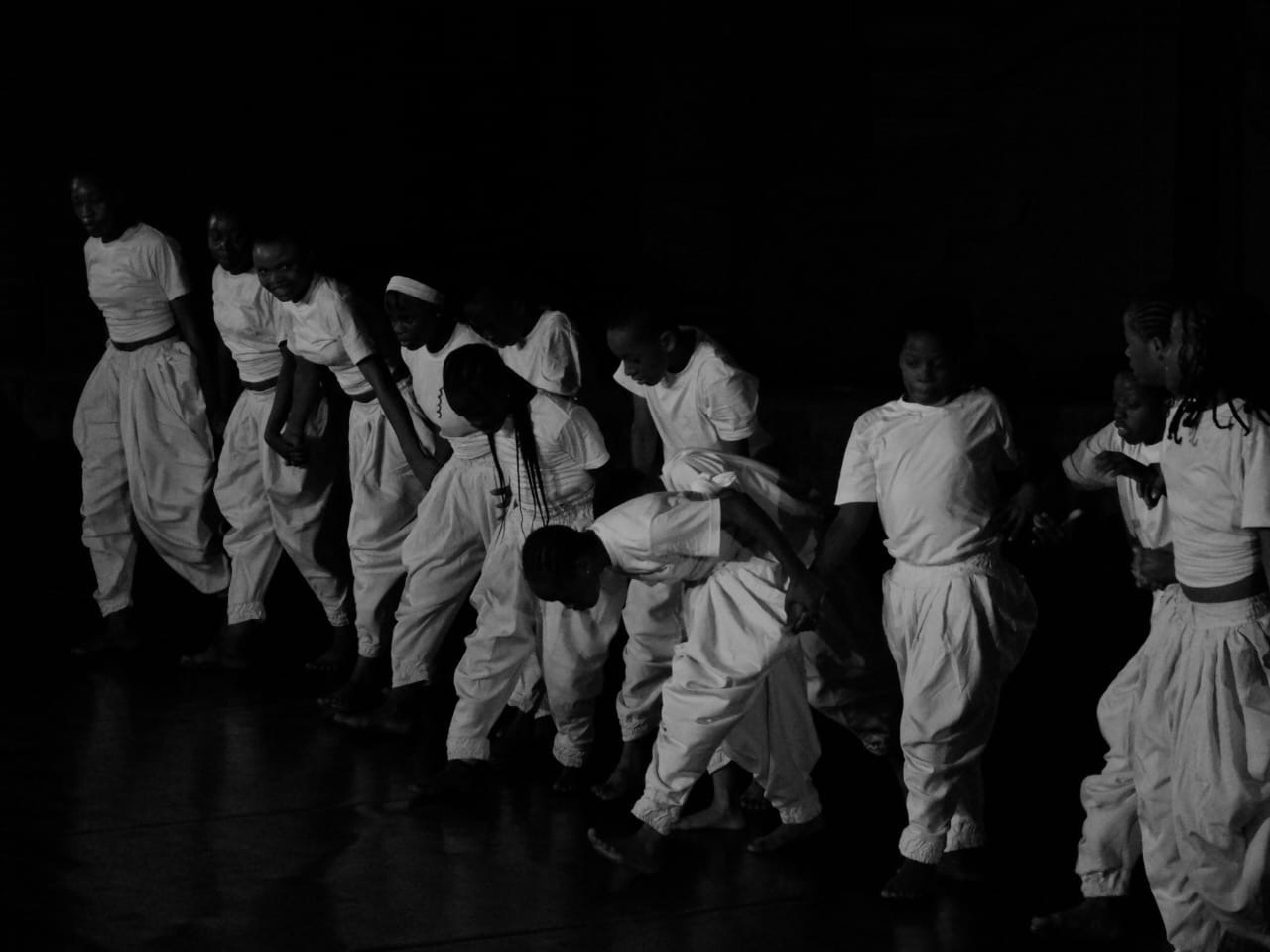
Next, the older Q Dance members performed Solace, a more abstract, introspective piece. At one point, a dancer moved without music, prompting some, including the Yoruba in me, to question the rhythm. But that discomfort felt intentional, a meditation on presence and attention. The night closed with Reincarnation, a performance that brought Day 1 full circle, leaving the audience with a sense of continuity and transformation.
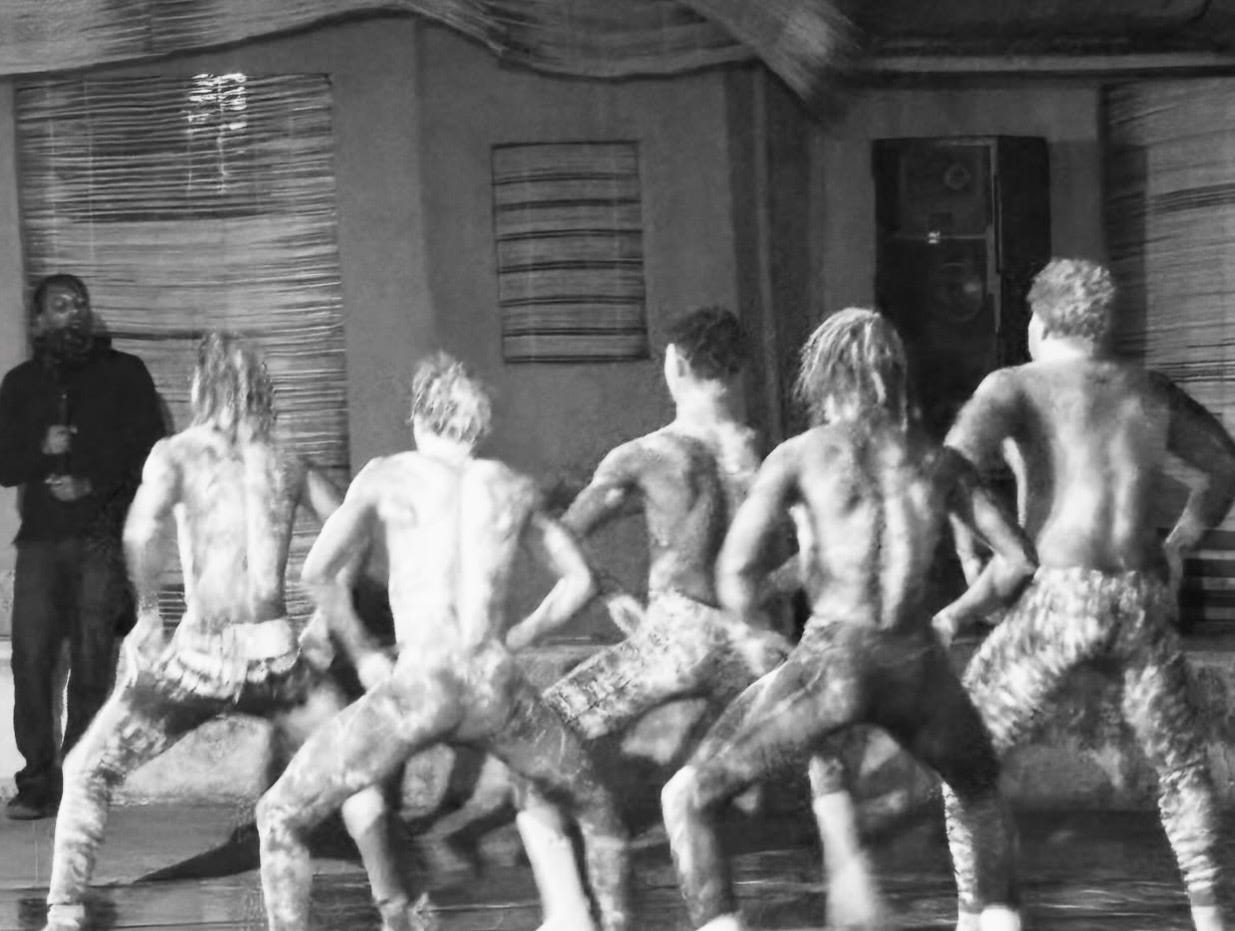
Throughout the day, a sense of sanctuary permeated every session. Whether through rhythm, sound, movement, or reflective exercises, participants were guided to slow down, notice, and connect, not just with the work, but with one another. Onikeku summed it up best as he left the audience with a lingering question:
As creatives, are we merging… or are we emerging?
It was a question without an immediate answer, meant to sit with you, echoing long after the lights dimmed.
Day 1 of Afropolis 2026 was not just an introduction; it was an initiation. From the drumbeats of the morning to the transformative performances of the evening, the day wove together rhythm, reflection, and revelation, a true sanctuary for the mind, body, and spirit of the creative community.
Brilliant
Girl! This is incredibly well-written. Lovely pictures too